
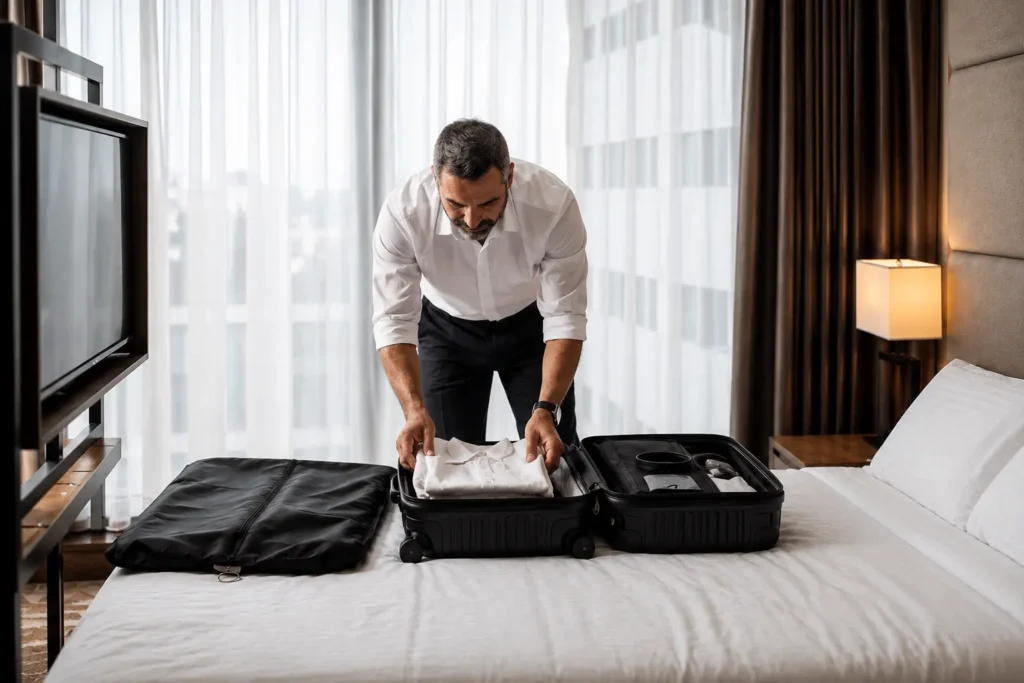
The Complete Guide to Packing for Business Travel Without the Stress
Business travel runs on efficiency — and that starts before you even leave the house. Showing up organized, on time, and stress-free depends on one often-overlooked skill: smart packing. Whether you’re heading out for a quick overnight meeting or a full week of client visits, the right approach to packing for business travel can save you time at security, space in your bag, and a whole lot of frustration at your destination.
This guide walks through practical, real-world strategies for packing smarter — not harder — using the right business travel luggage, a system for organizing your essentials, and a few habits that seasoned road warriors swear by.
Start With the Right Luggage
Your packing strategy is only as good as the bag you’re using. Before you fold a single shirt, match your luggage to your itinerary:
One-night trips: A compact overnight bag or a small wheeled trolley with a padded laptop sleeve keeps things simple. One bag, no checked luggage, no waiting at baggage claim.
Mid-length trips (3–5 days): A cabin-approved suitcase with a built-in laptop compartment gives you room for a few outfits while still qualifying as carry-on. Pairing it with a slim daily bag — a laptop backpack or a structured satchel — lets you leave the suitcase at the hotel and carry only what you need into meetings.
Week-long trips: This is where a large-size hard-shell suitcase earns its keep. Look for one with compression straps and multiple compartments so a week’s worth of business attire doesn’t turn into a wrinkled pile by day three.
Across all three, prioritize luggage that’s lightweight, durable, and built with organization in mind — a hard shell with dedicated sections beats a soft duffel every time when your clothes need to survive the trip looking sharp.
Build a System for Your Essentials
Keep Tech Separate and Protected
Laptops, chargers, and presentation materials need their own padded zone. A dedicated tech compartment — not just a loose pocket — protects your devices and means you’re not digging through folded clothes at airport security. If your luggage has a built-in USB port, even better: one less cable to pack.
Corral Your Documents
Passports, boarding passes, hotel confirmations, and business cards belong in one place — a slim document organizer or a dedicated front pocket. The goal is never having to unpack your whole bag to find your ID at the gate.
Plan Outfits, Don’t Just Pack Clothes
The biggest source of overpacking is bringing outfits “just in case.” Instead:
- Map each day to a specific outfit before you pack
- Stick to a tight color palette (navy, black, grey) so shoes and accessories do double duty
- Choose fabrics that resist wrinkling and can be dressed up or down
This alone can cut your clothing volume by a third without sacrificing a professional look.
Use Packing Cubes and Compression
Packing cubes aren’t just for leisure travel — they keep business attire separated from casual clothes and gym gear, and compression versions squeeze out excess air to free up space. Roll casual items, fold structured pieces like blazers, and you’ll fit noticeably more without the wrinkles.
Don’t Skip These Small but Critical Extras
A few often-forgotten additions make a real difference:
- A compact garment steamer for last-minute wrinkle fixes before a meeting
- A shoe bag to keep soles away from clean clothes
- Travel-size toiletries to breeze through security
- A backup outfit in your carry-on in case checked luggage is delayed
- A snack and a refillable water bottle for long layovers or delays
Check the Weather Before You Commit to a Packing List
It sounds obvious, but skipping this step is one of the most common packing mistakes. A quick check of your destination’s forecast tells you whether you need a light jacket, an umbrella, or nothing but summer fabrics — and it prevents last-minute over-packing “just in case.”
Final Thoughts
Efficient packing isn’t about bringing less for the sake of it — it’s about bringing exactly what you need, organized in a way that keeps you moving quickly through airports and confidently walking into meetings. Investing in the right business travel bag, planning outfits ahead of time, and using tools like packing cubes and document organizers turns packing from a stressful chore into a five-minute routine.
Frequently Asked Questions
A durable carry-on with a dedicated laptop compartment and smooth-rolling wheels is ideal. Look for multiple compartments to separate tech, documents, and clothing.
Use a bag with a padded, dedicated tech compartment. Keep chargers and small accessories in a separate pouch so they’re easy to find at security.
Choose a mid-size suitcase with enough structure to prevent wrinkling. Use packing cubes to separate outfit types, and stick to a limited color palette to reduce the number of shoes and accessories needed.
A compact carry-on or overnighter is enough. Pack one or two outfits, keep documents in an easy-access pocket, and skip anything that isn’t essential.
Professional attire, a laptop and charger, key travel documents, business cards, and basic toiletries are the non-negotiables — everything else is a bonus.